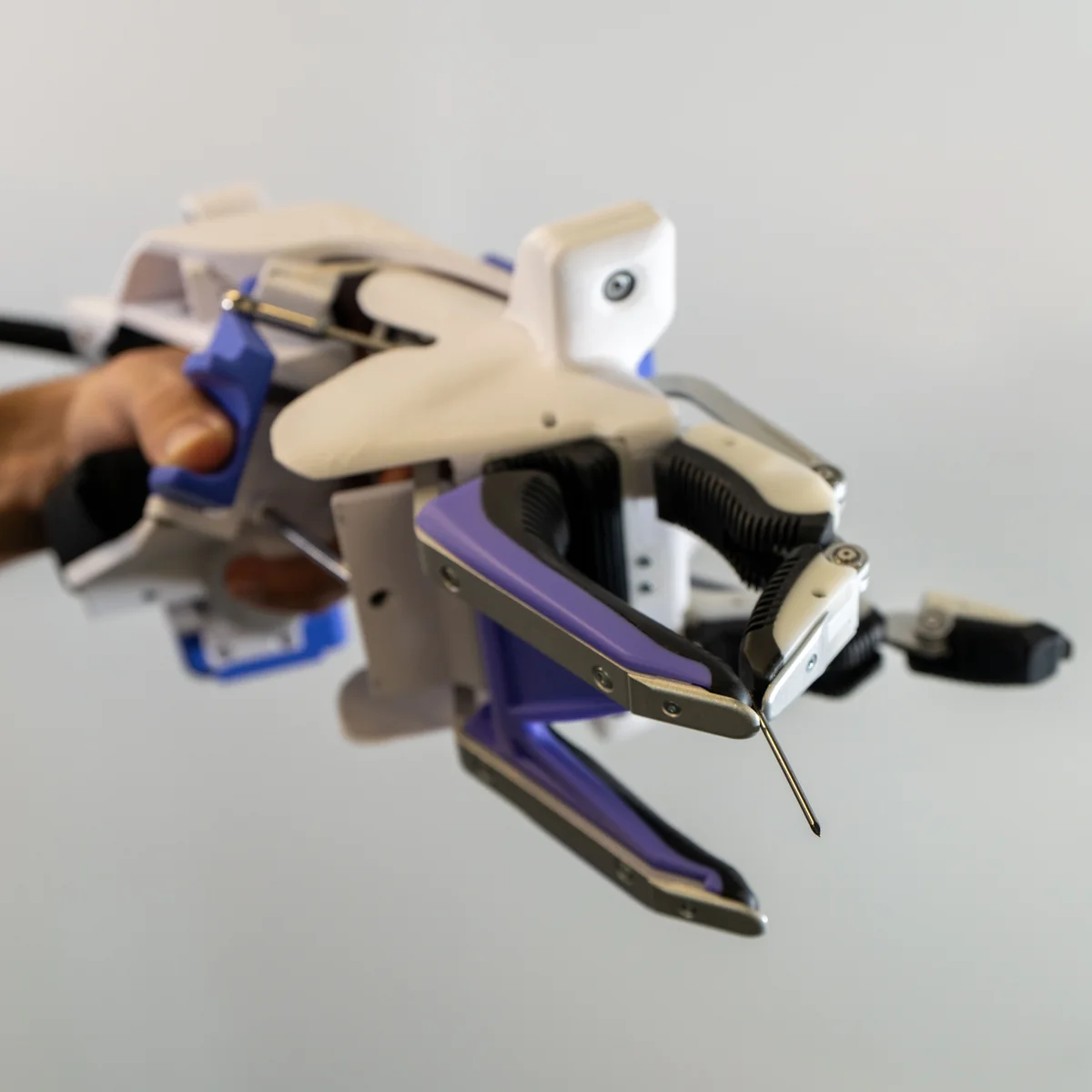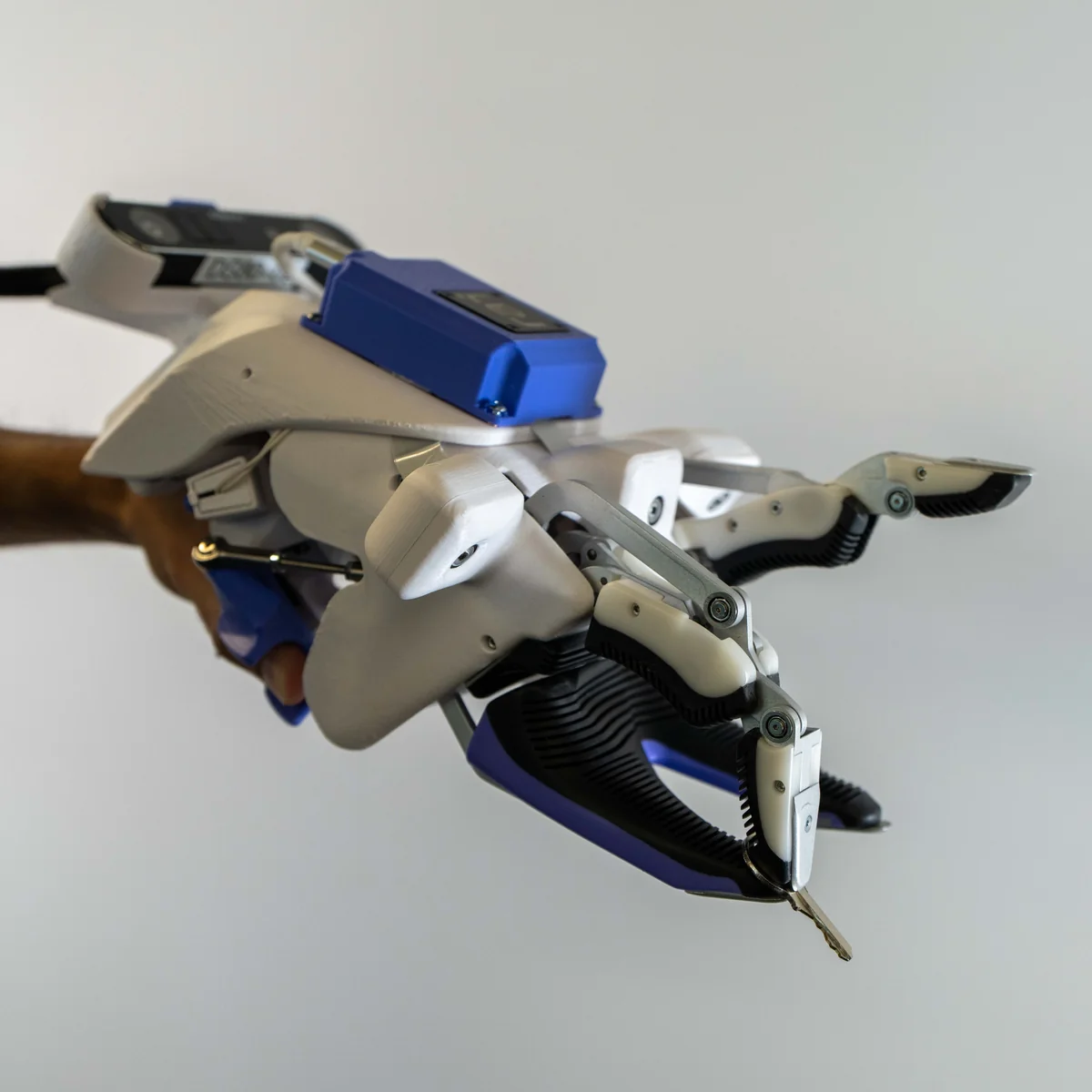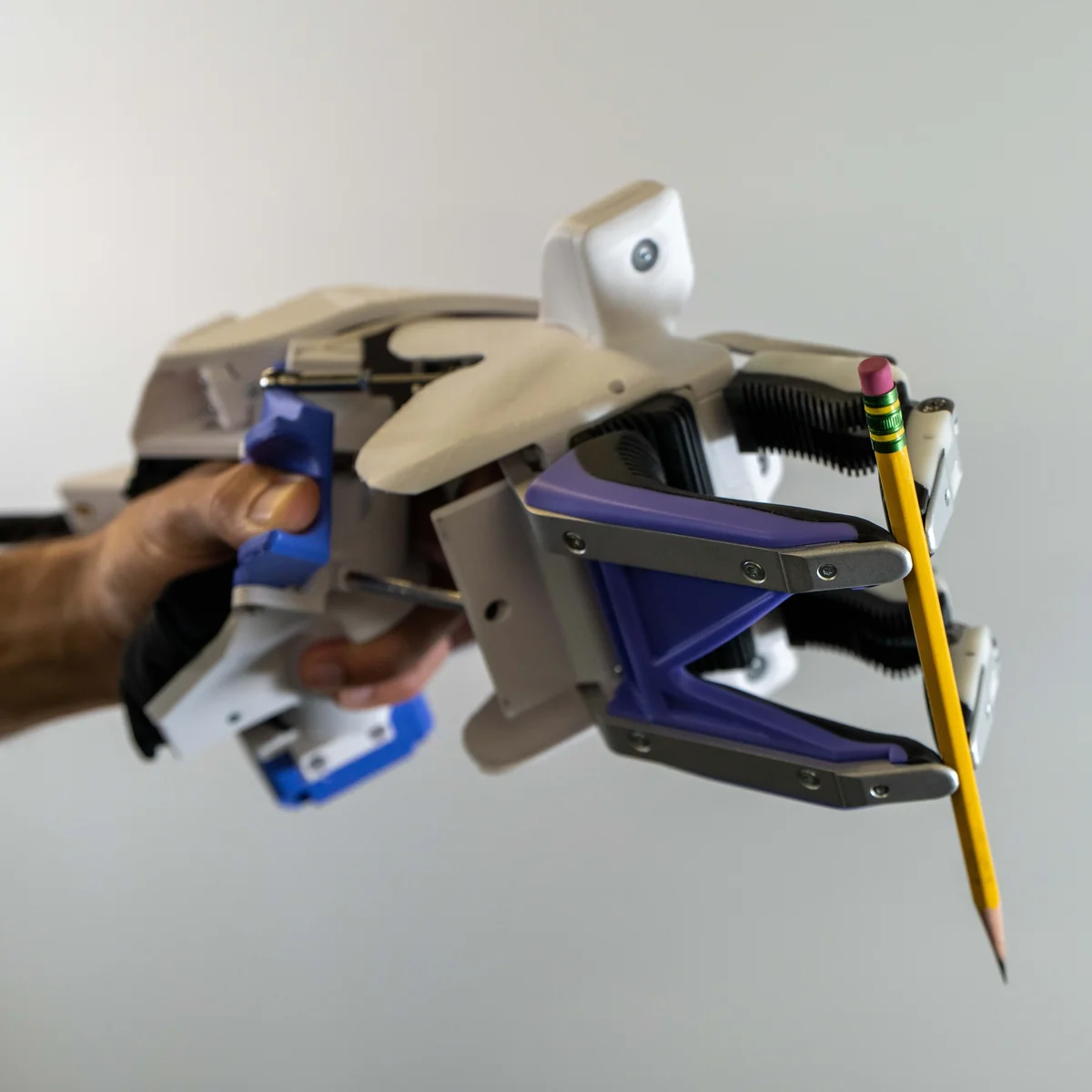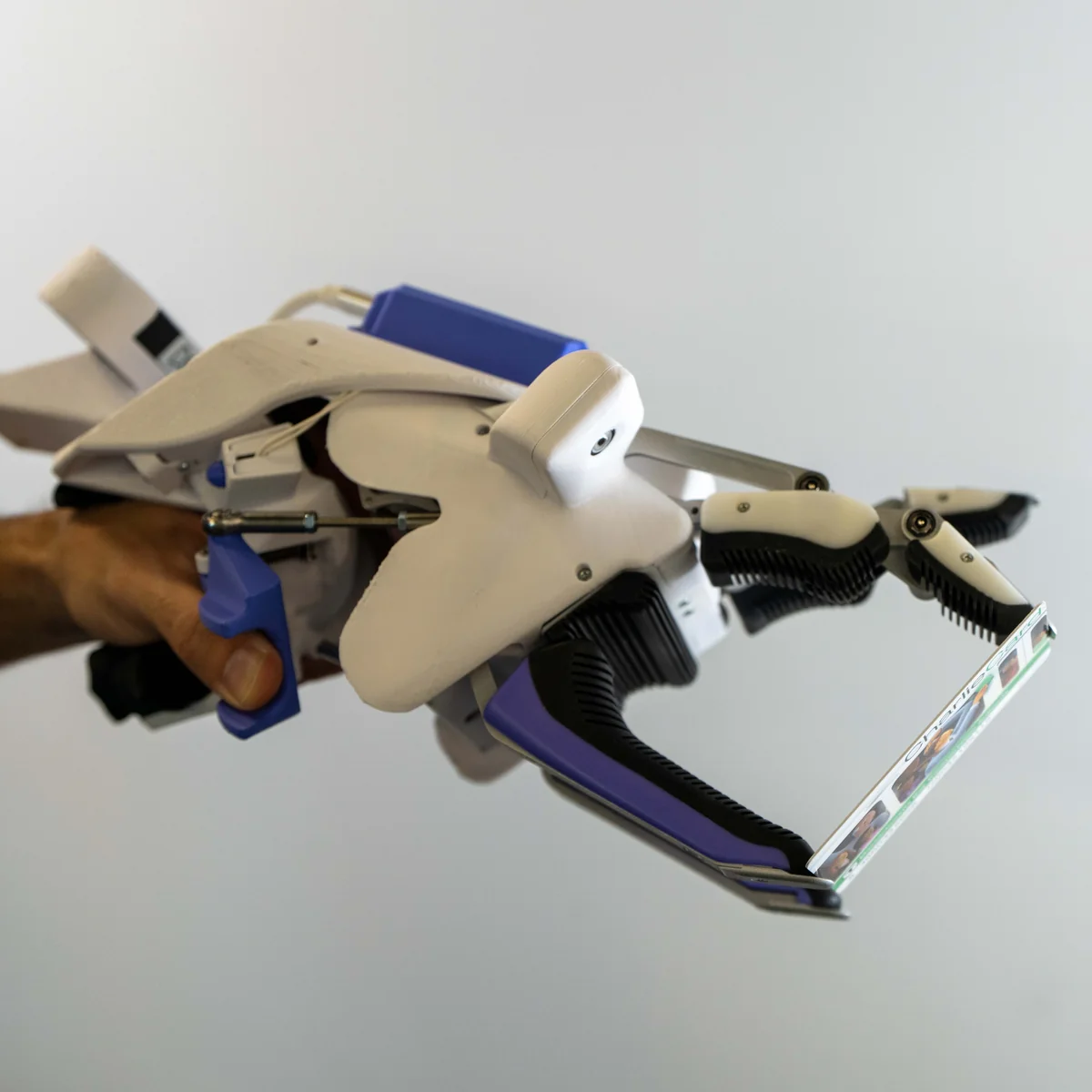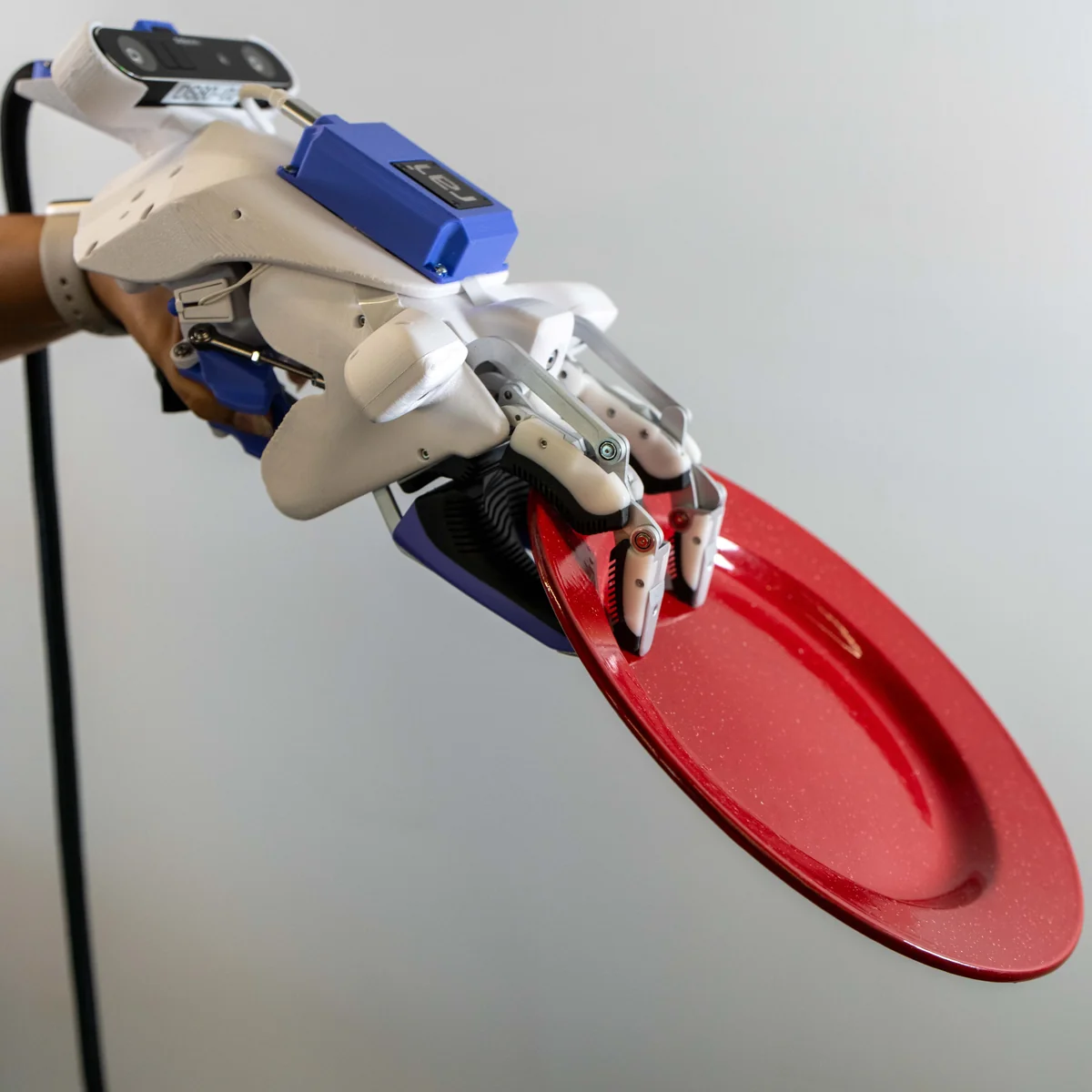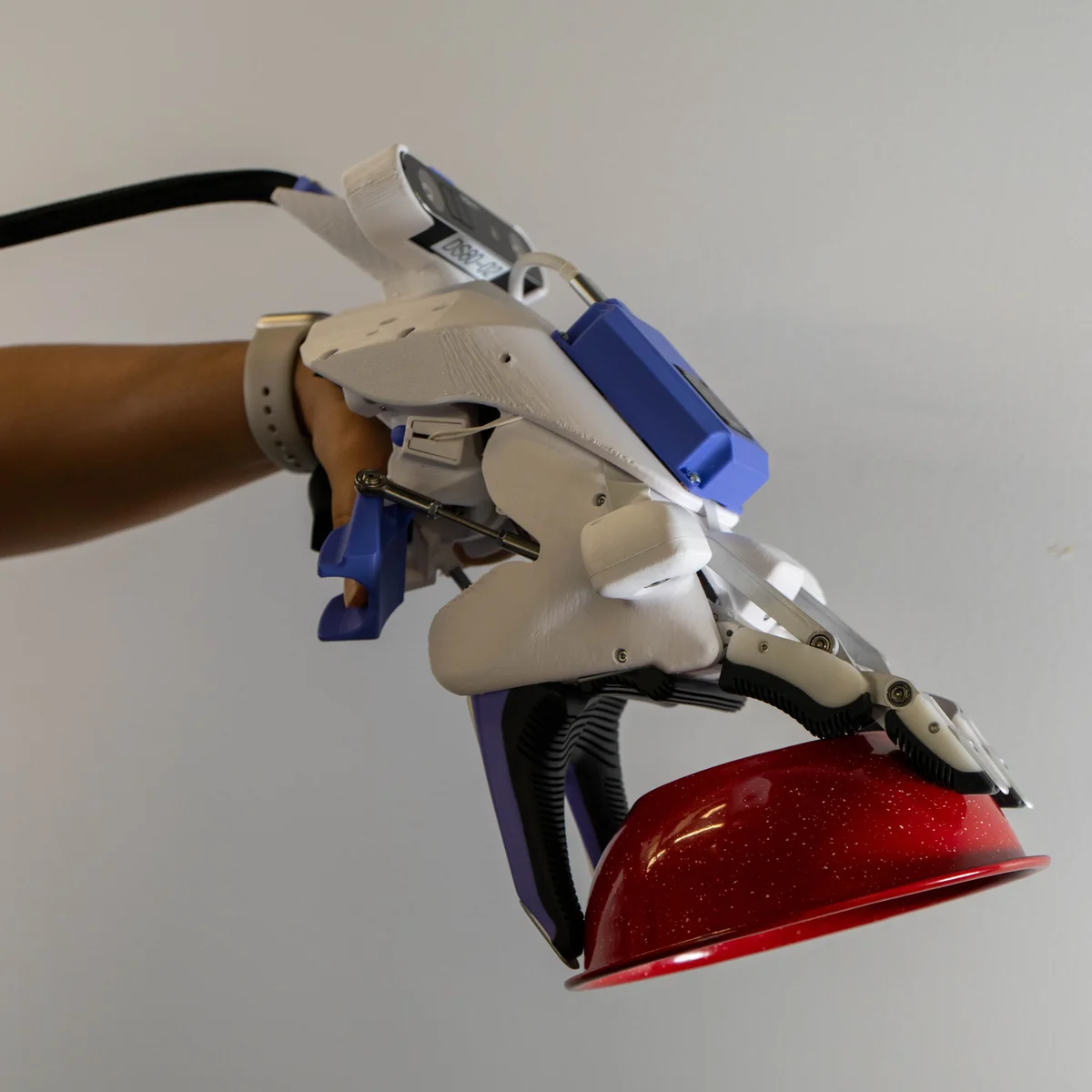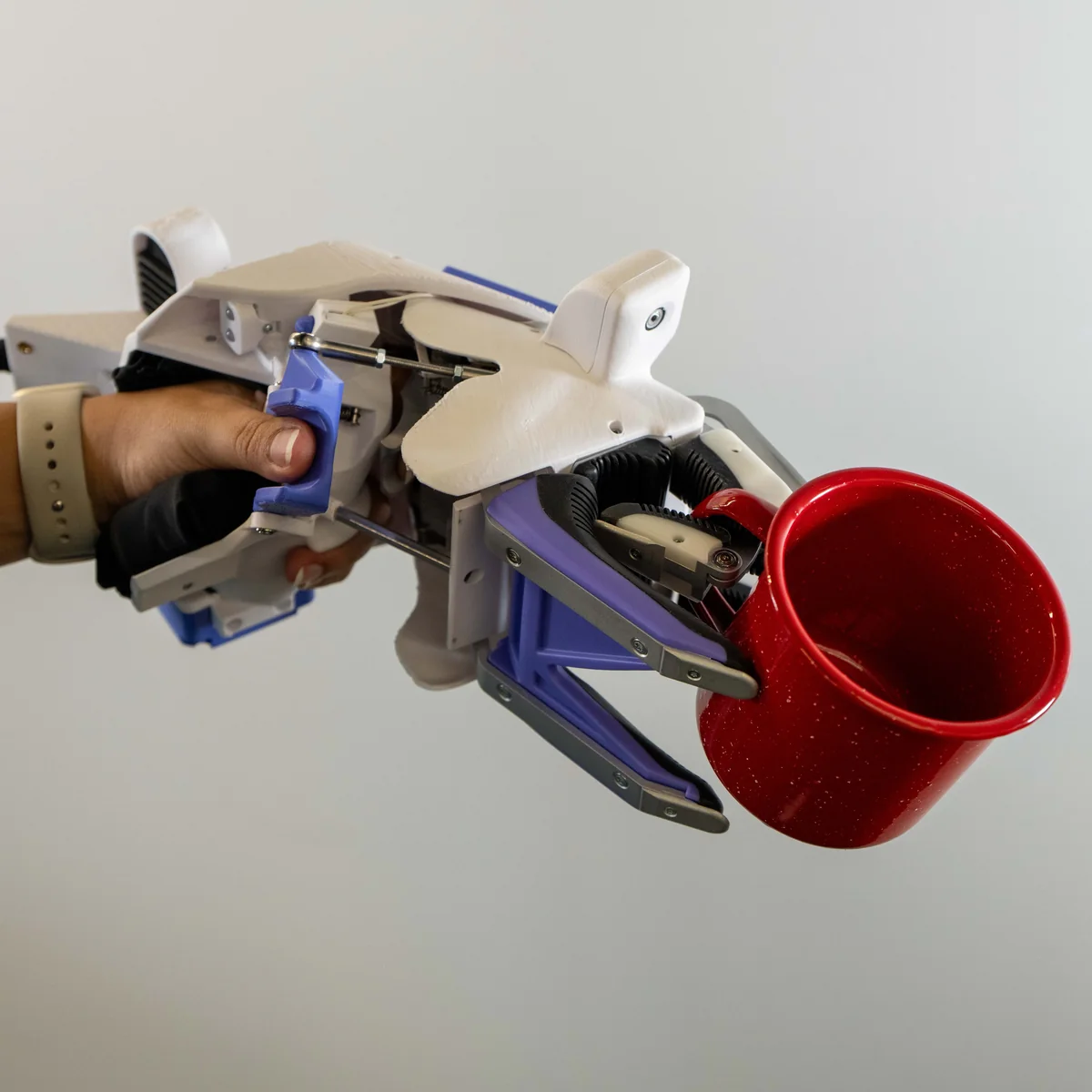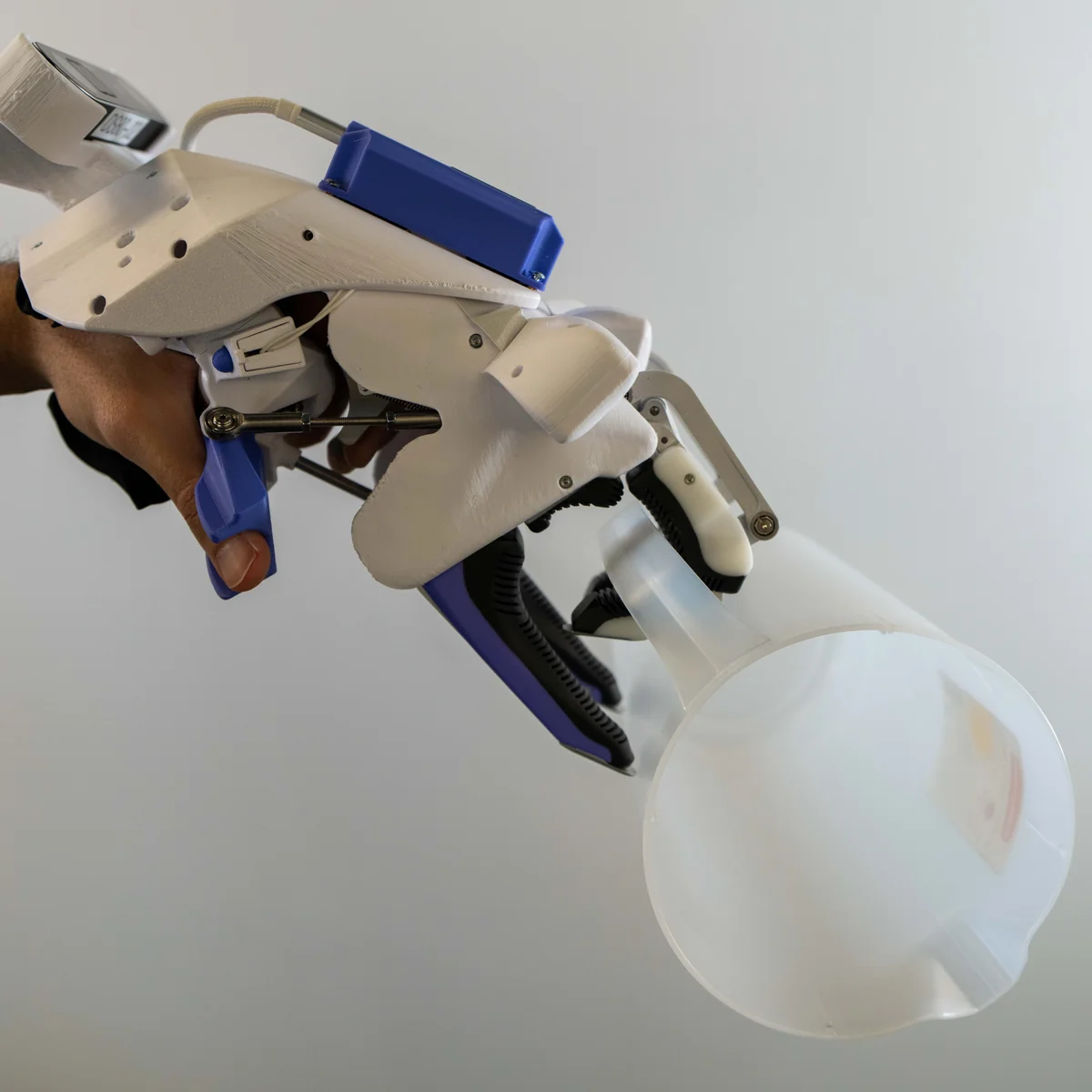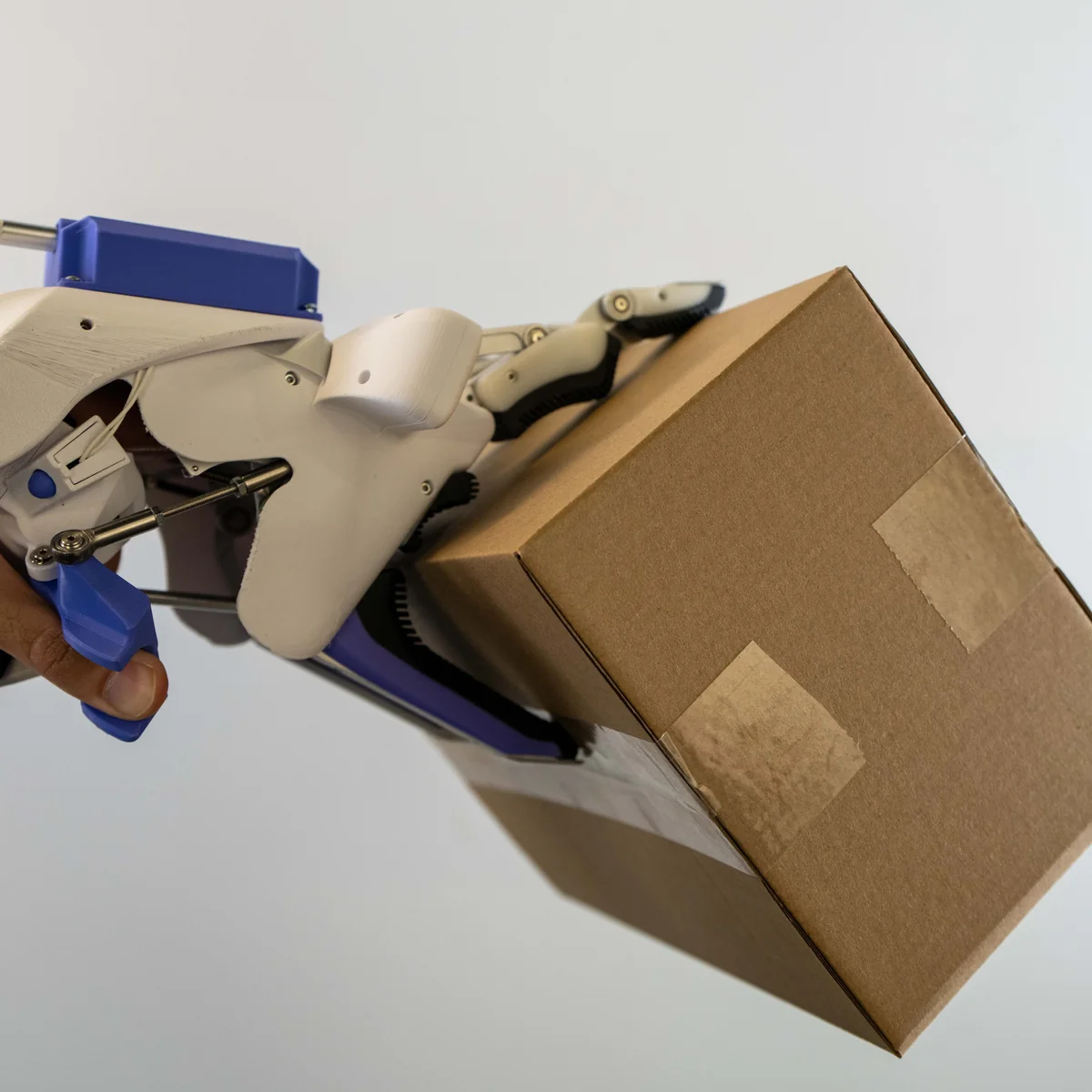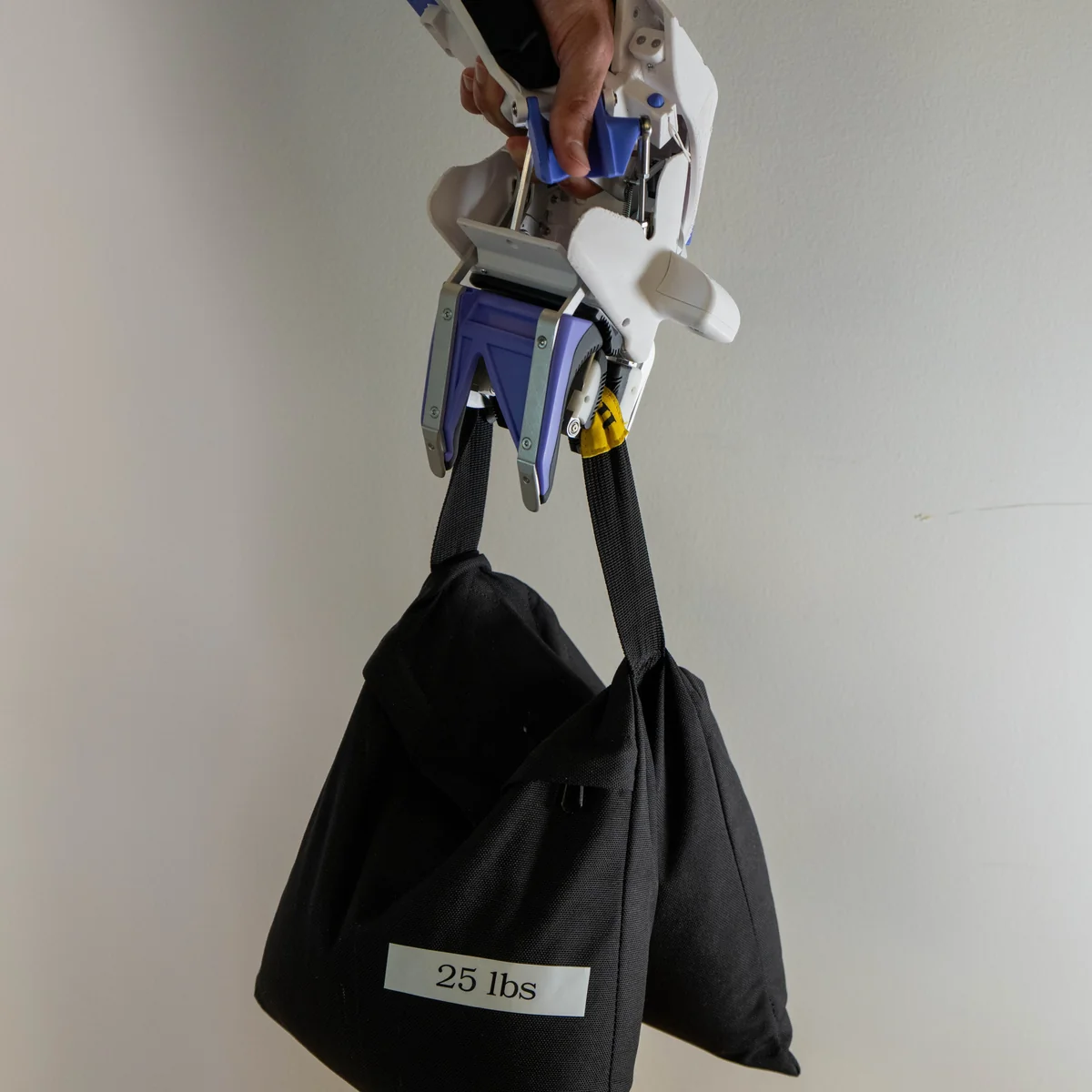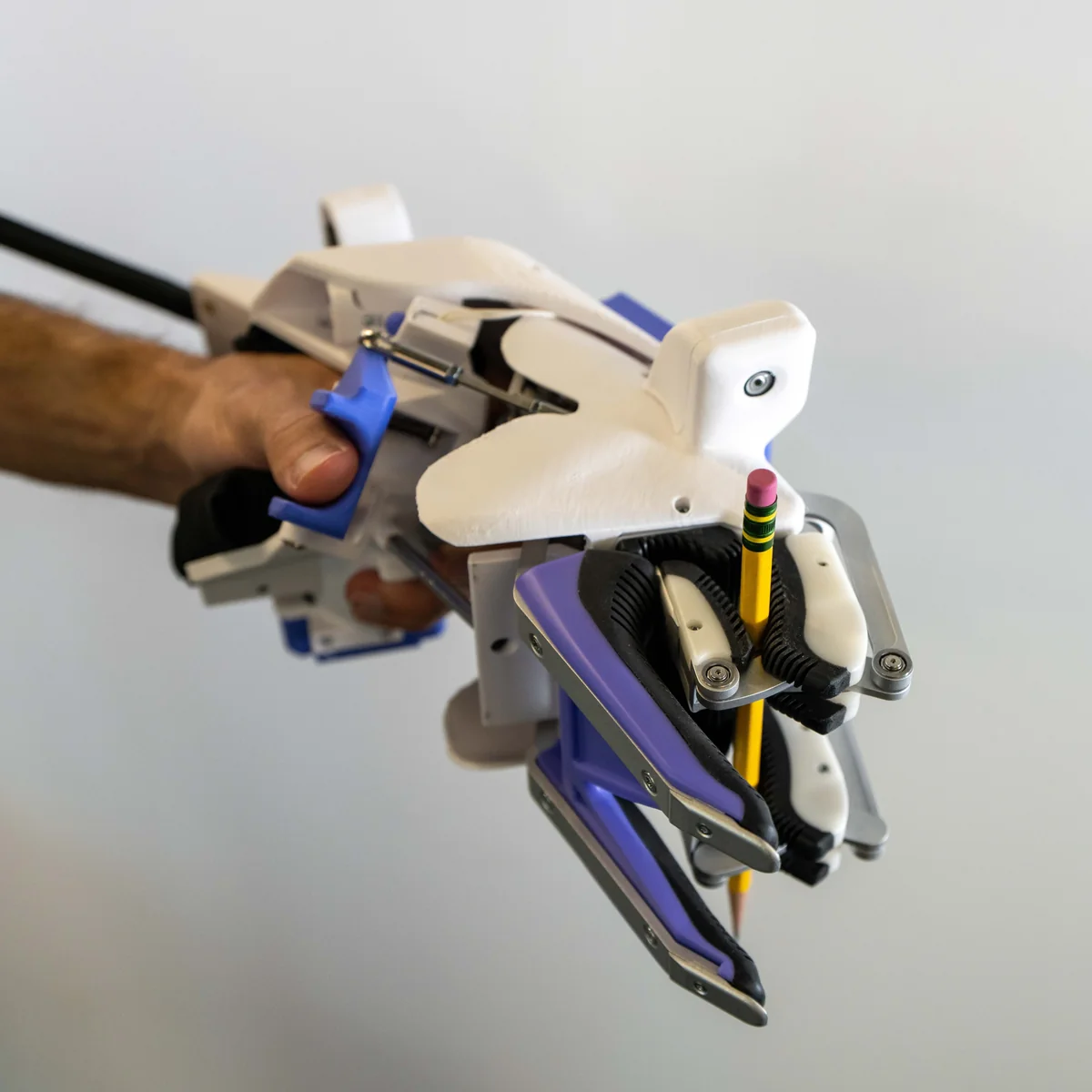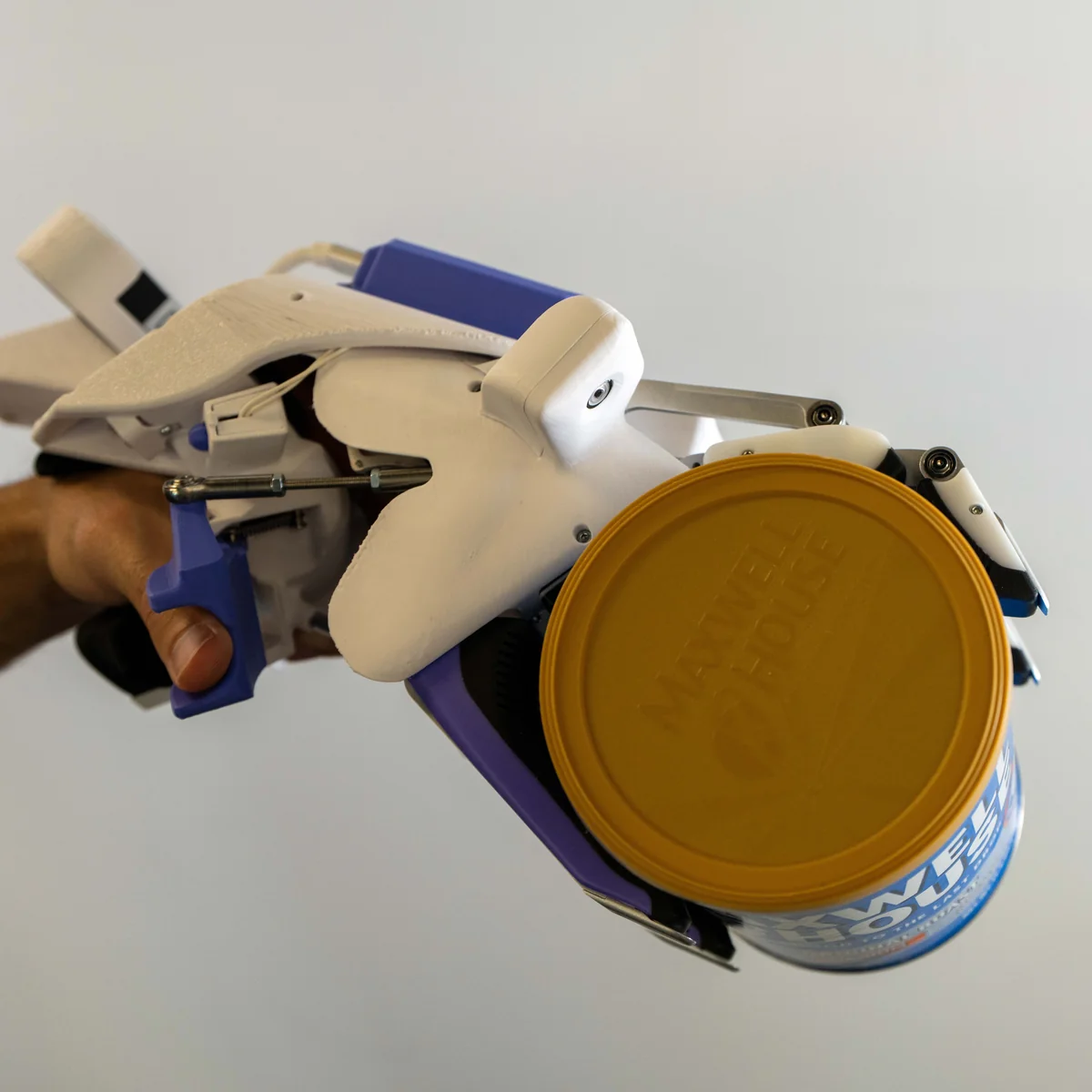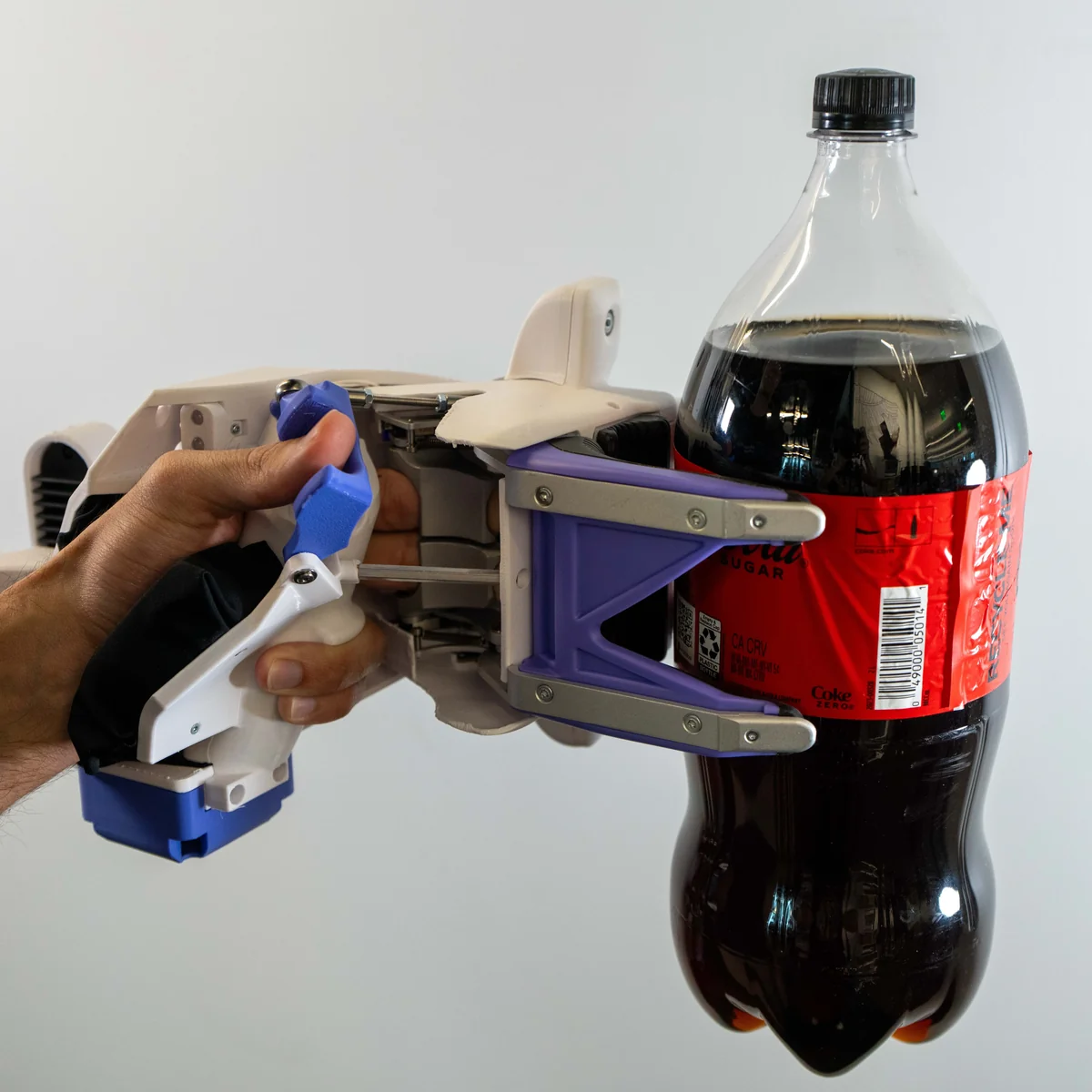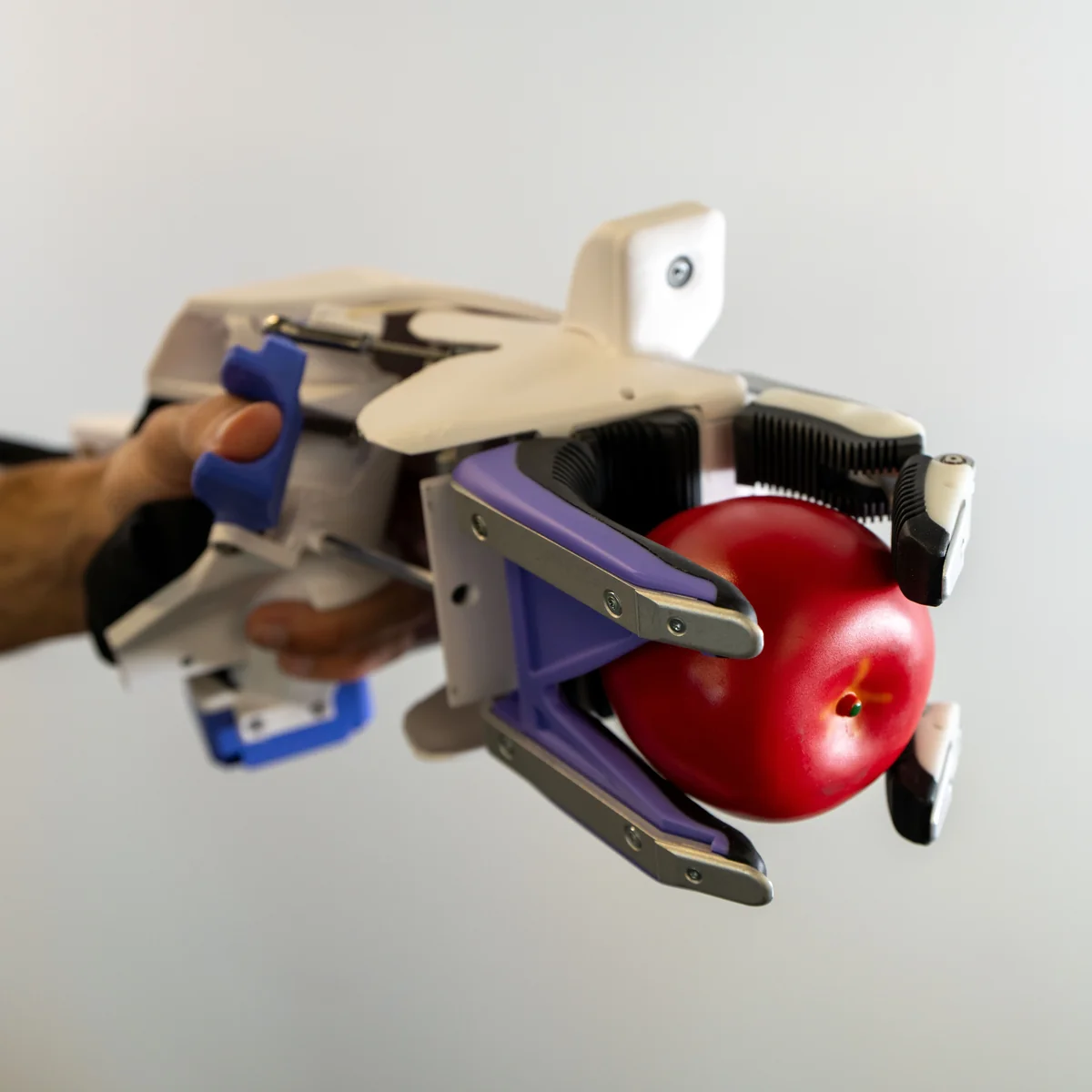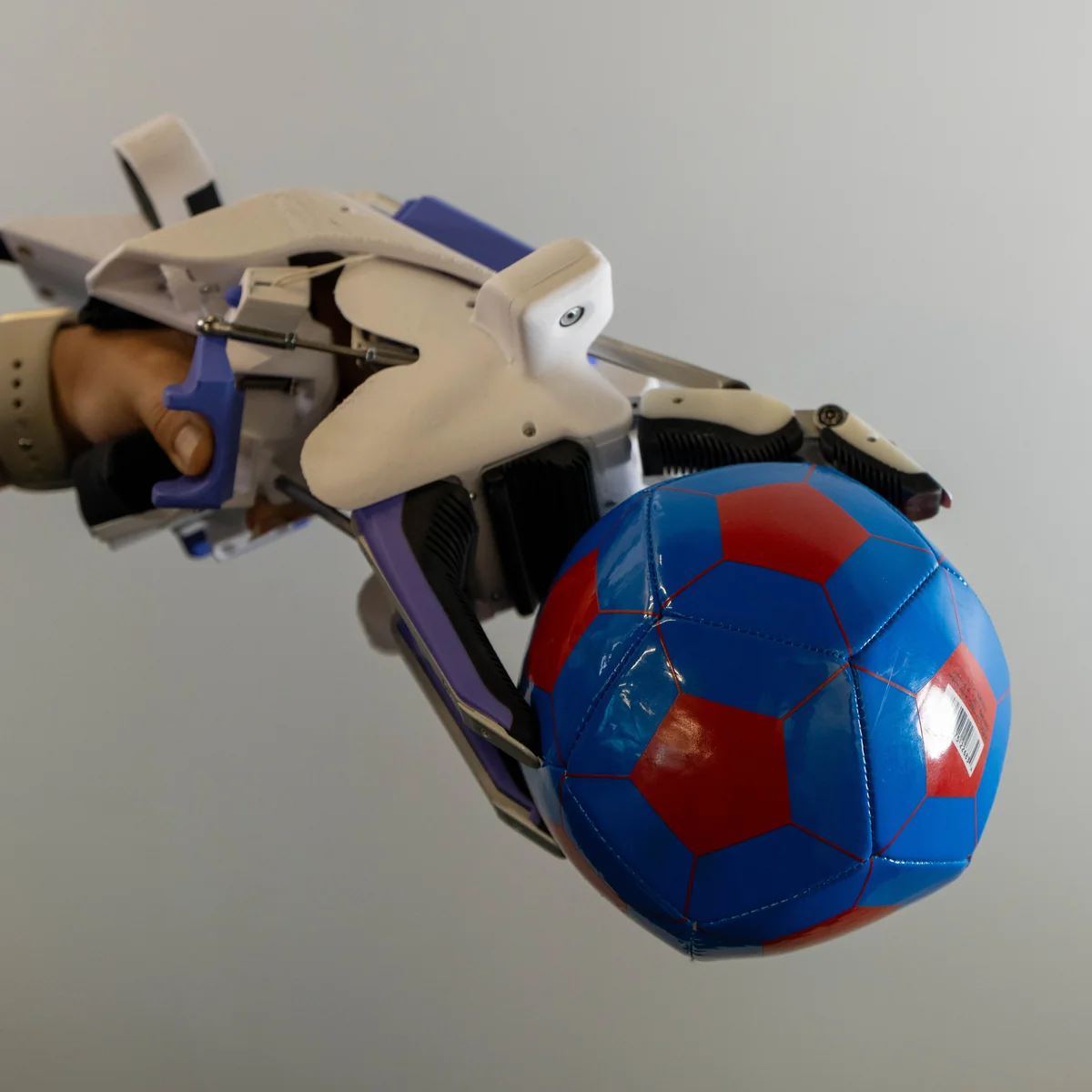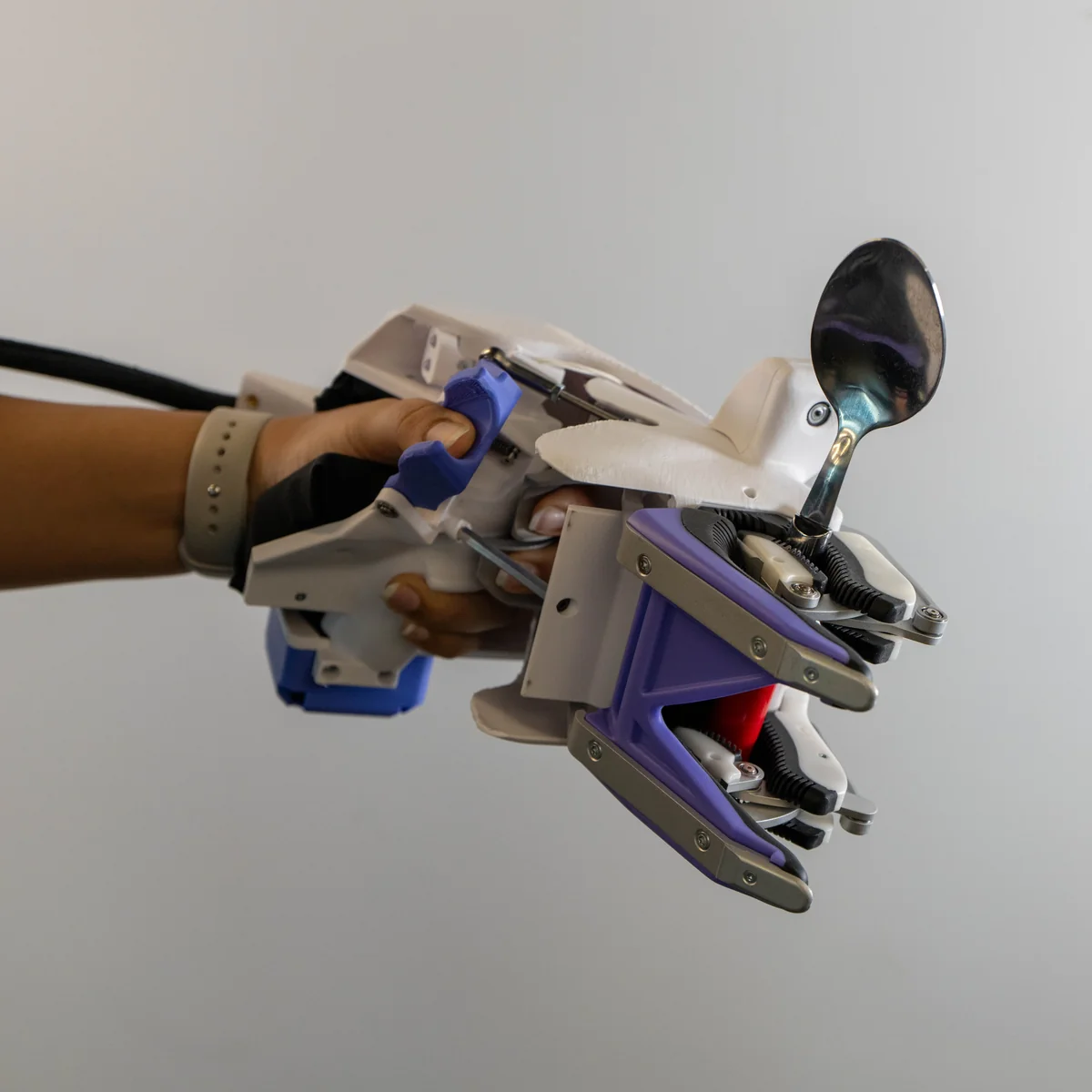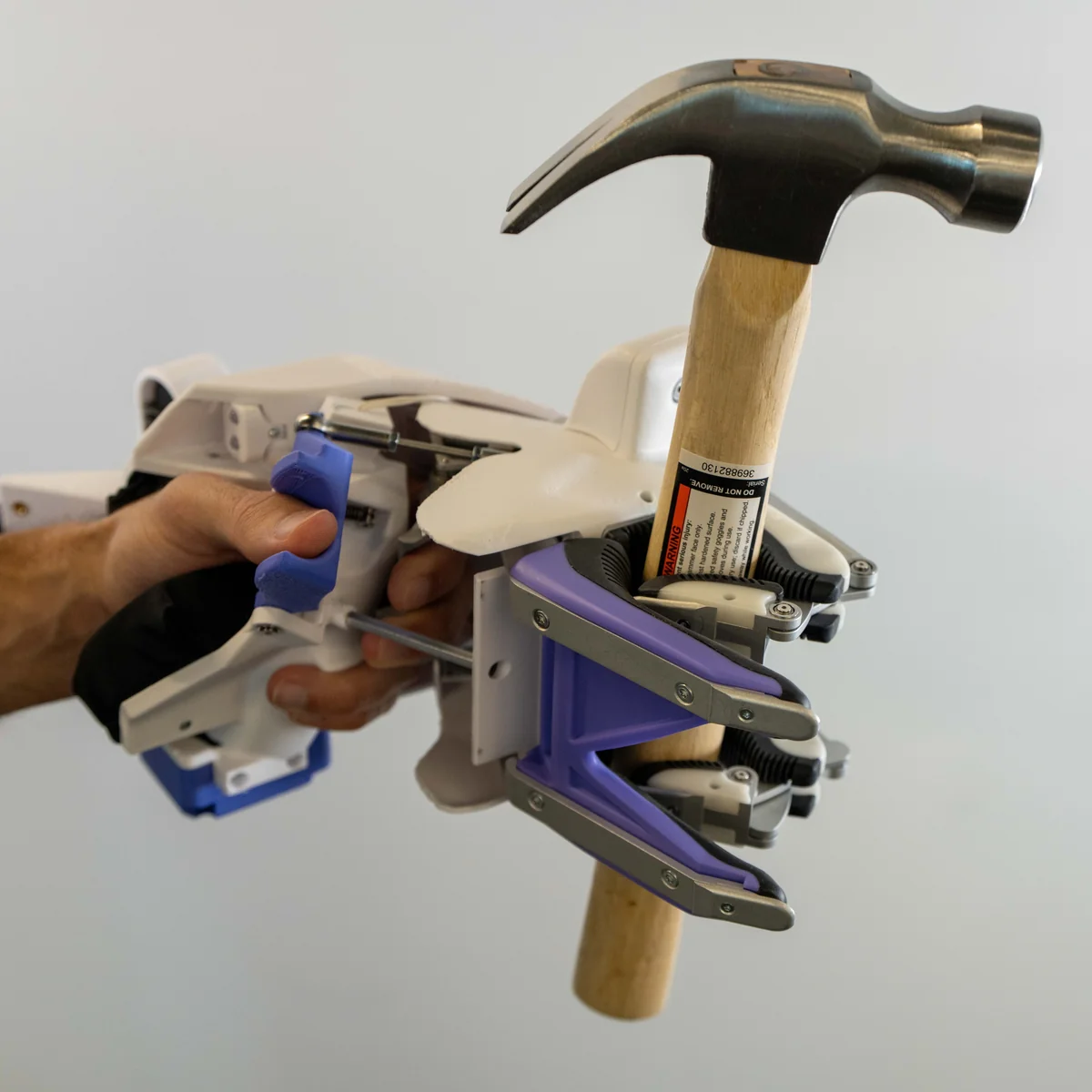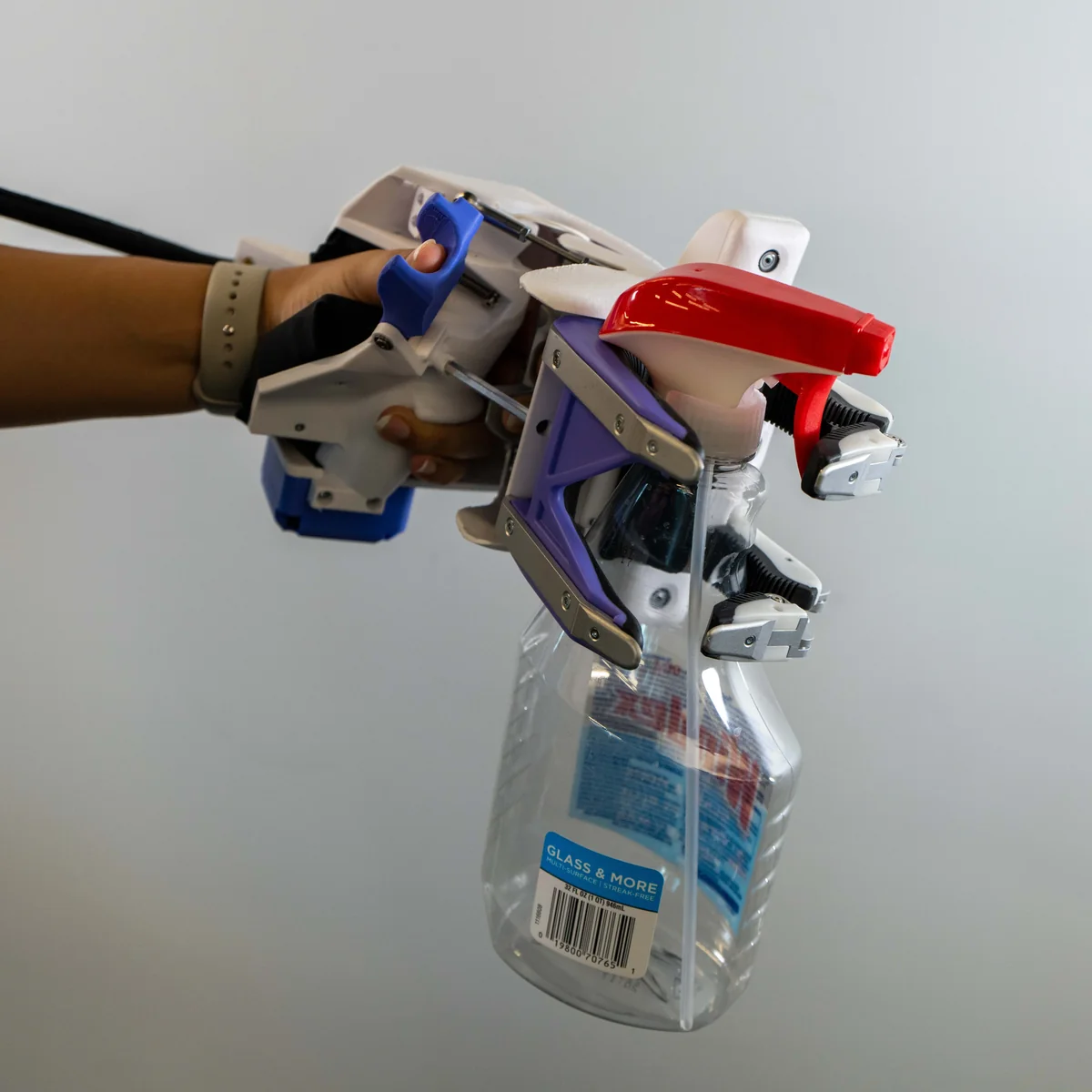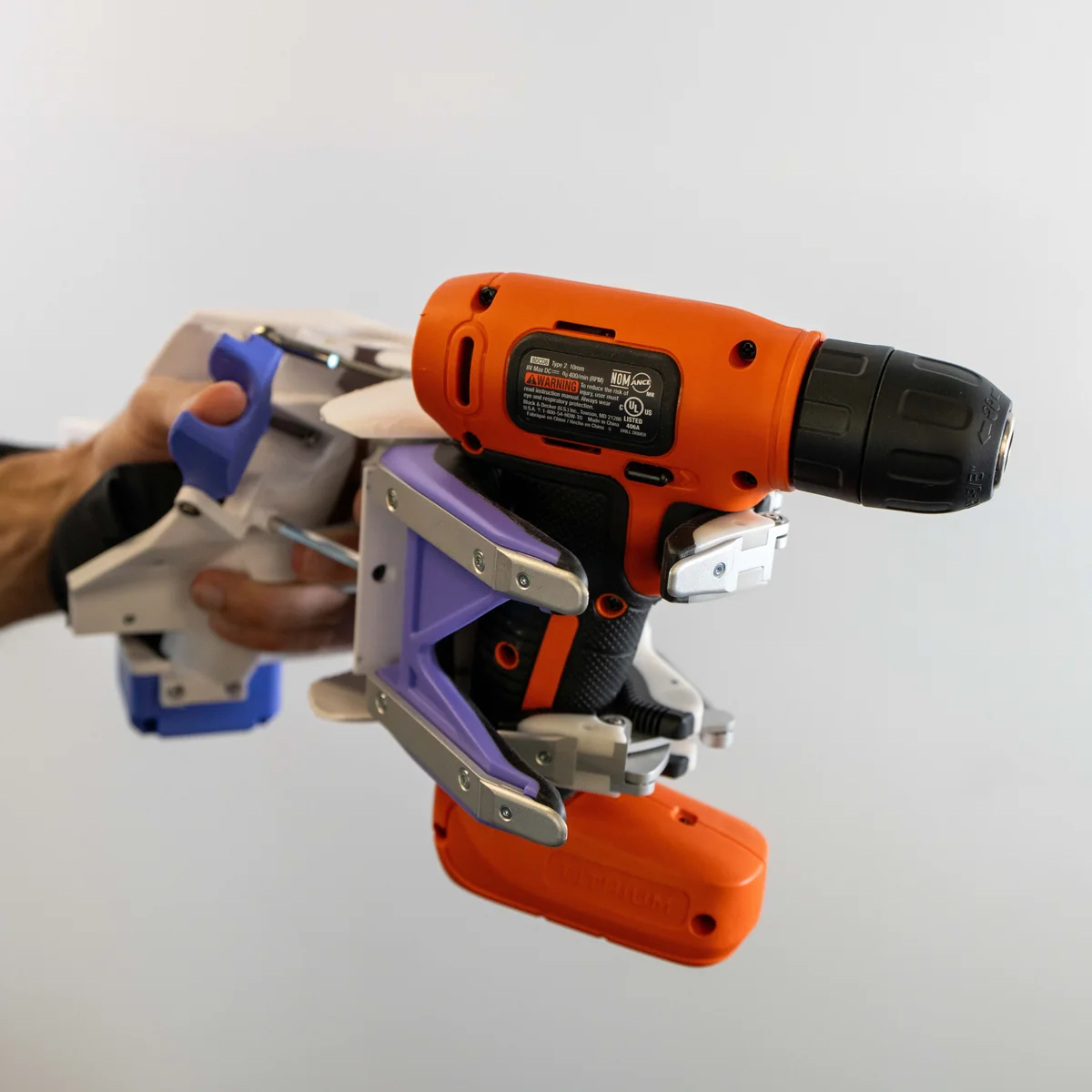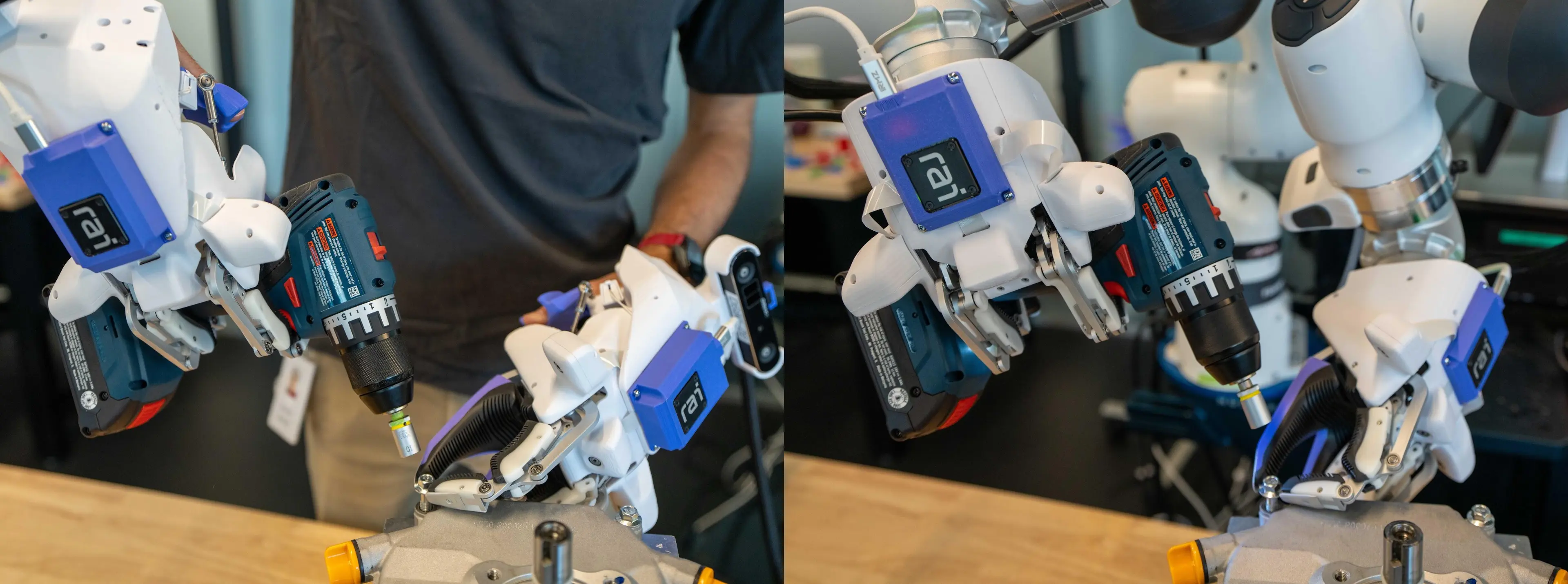
As the demand for larger manipulation datasets grows, handheld robotic gripper data collection and the associated gripper designs become more vital. Current data collection device designs trend towards matching the morphologies of existing robotic grippers, sacrificing ergonomics and manipulation performance. In this paper, we propose a co-design framework that guides the simultaneous development of both data collection and robotic execution devices by weaving both platform constraints into the design process. Through this workflow, we present the Koala Gripper system, a data capture device and robotic gripper platform that improves dexterity and grasp capability compared to parallel jaw grippers while preserving scalability and ease-of-use. The design introduces a novel force-optimized finger/trigger linkage mechanism with directional reflected mass characteristics, a unique monolithic dual-thumb, and user-centered ergonomic design. The design's actuated robotic fingers are backdrivable, with effective mass on the order of tens of grams. We show that these grippers are capable of secure grasps over a wide range of objects, forceful tool use, and precise singulation. We further validate the platform by deploying it with an end-to-end data collection and policy execution pipeline that highlights its capabilities through learning from demonstration.
The Koala gripper was created using a co-design framework that simultaneously considers the constraints of both the data capture device and the robotic execution device. This approach ensures that the effects of design choices are considered for both devices, leading to a more integrated and effective system. The process maintains a set of common features shared between the two devices that is iteratively updated as the design process progresses. The co-design framework allows for a more holistic approach to the development of robotic grippers and data capture devices, resulting in improved performance and usability.
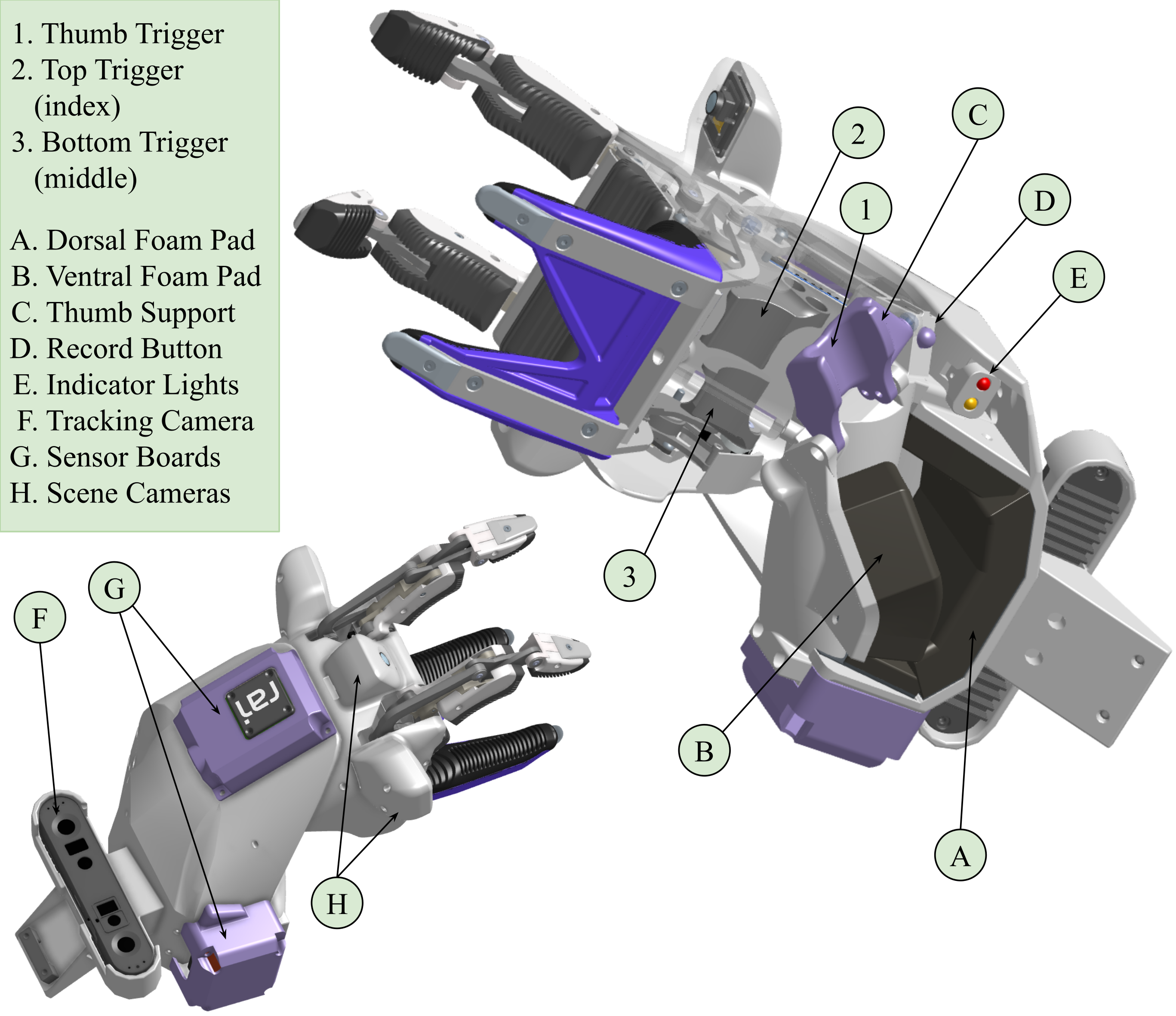
The CD is used by a human operator to capture data for training manipulation policies. Its design is centered around intuitive controls and ergonomics, allowing data collectors to complete complex tasks with minimal mental and physical fatigue.
The RD is used by a robotic system to execute policies trained using data from the CD. It is a robot-agnostic system designed to have full parity with the CD so that any action a user can execute on the CD can be replicated on the RD.
Loading Capture Device...
Loading Robot Device...
The morphology of the Koala gripper balances minimizing the number of user-controlled degrees of freedom while unlocking grasp and manipulation capabilities beyond those of parallel jaw grippers. The design does not default to an anthropomorphic hand, but instead introduces two independently controlled underactuated fingers opposed by a monolithic pivoting "dual thumb". This configuration enables both powerful wrap grasps and precise pinch grasps while maintaining torsional stability, which is critical for tool use. Two independently-actuated non-opposed fingers target trigger operated tools. Preshaping in these fingers helps achieve hooking grasps and promotes enveloping grasps that prevent object ejection. The "dual thumb", which inspired the Koala gripper's name, achieves the goals of prismatic grasps, facilitating writing, fine tool stabilizing, multiobject singulation, table-top pinches, and stable corner/palmar grasps.
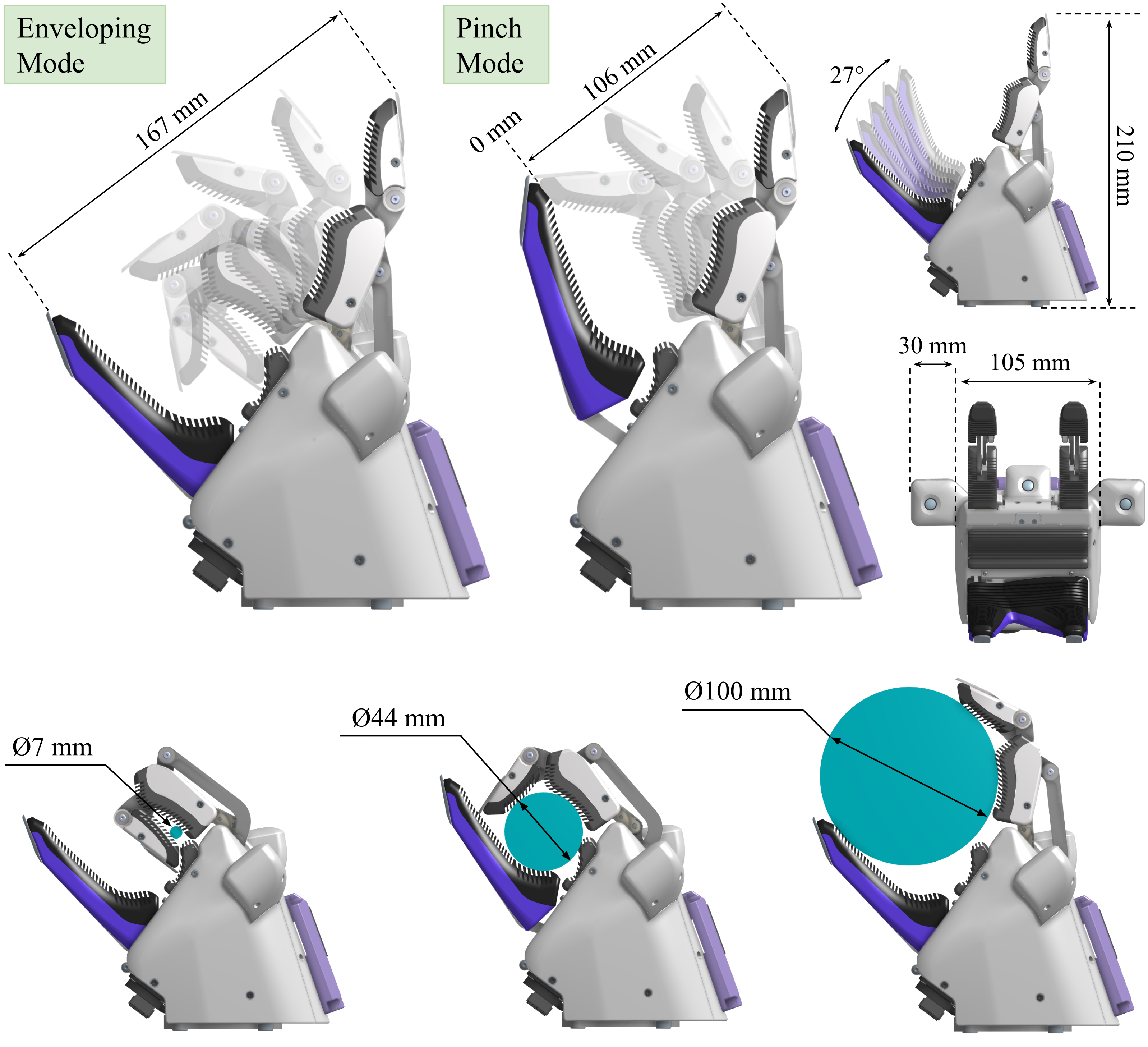
The Koala finger is a 9-bar linkage with one actuated and one underactuated degree-of-freedom. The grounded underactuation spring is located proximal to the finger phalanges, simplifying the exposed mechanism and contributing to the pre-shaping behavior of the finger. Contoured pads with cantilevered features attach to the proximal and distal links aid in secure grasping of a wide range of objects, while fingernails mounted to the distal link aid in precise pinch grasps.
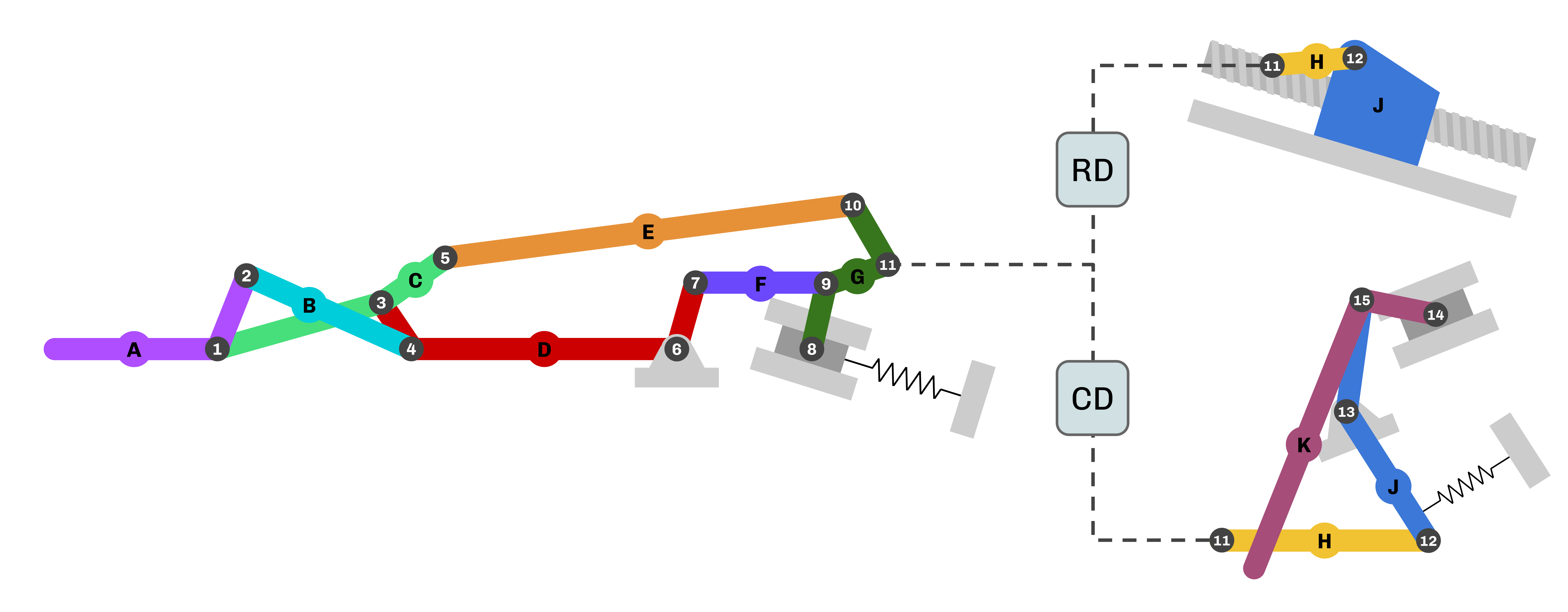
The CD finger adds a linkage based trigger mechanism that traces a natural human fingertip path instead of a more conventional linear path. The sweep of the mechanism increases the trigger stroke length, improving the user's mechanical advantage when actuating the device.
The RD pairs a frameless motor with an integrated high-pitch ballscrew to create a low-reflected-inertia actuation system. This configuration allows the finger to be easily back-drivable without sacrificing grip strength compared to the CD.